

China has become one of the most important sourcing destinations for medical devices and disposable medical products worldwide. From surgical sutures, syringes, infusion sets, gauze, bandages, tape,medical cotton, wound dressings, to other meidcal consumables, international buyers can find a wide range of manufacturing options.
However, selecting the right medical supplier in China is not only about finding a competitive price. For importers, distributors, hospitals, and healthcare companies, a reliable supplier must provide consistent quality, regulatory support, stable production capacity, and long-term cooperation.
Many sourcing problems happen because buyers only focus on the initial quotation and overlook important factors such as factory capability, documentation support, quality control systems, and communication efficiency.
So, how can global buyers identify a trustworthy Chinese medical supplier?
1. Confirm Whether You Are Working With a Real Manufacturer
The first step is to understand who you are working with — a manufacturer, a trading company, or a company that combines manufacturing and international trade.
A professional medical manufacturer should be able to provide clear information about:
- Factory facilities and production environment
- Manufacturing processes
- Quality control procedures
- Product certifications
- Export experience
- Production capacity
Before placing large orders, buyers should consider a factory audit, online video inspection, or factory visit whenever possible.
Seeing the actual production environment helps buyers understand whether the supplier has the capability to support long-term cooperation.
2. Check Certifications and Regulatory Compliance
Medical products are subject to strict regulatory requirements. Depending on the product and destination market, Medical product suppliers need to possess such as:
- ISO 13485
- CE documentation
- Declaration of Conformity
- Free Sale Certificate
- Test reports
- Technical documentation
- Sterilization documentation
- Product specifications
- Labels and Instructions for Use
Different countries have different registration requirements. Therefore, ask the supplier whether it can provide the documents required for your specific market.
A reliable supplier should be able to support the buyer throughout the product registration and import process.
3. Evaluate Quality Control Beyond Product Samples
Samples are important, but they cannot represent the entire production process.
For disposable medical products, quality consistency between different production batches is one of the most important factors.
Buyers should evaluate:
- Raw material selection
- Production procedures
- Quality inspection process
- Packaging quality
- Product traceability
- Shelf life management
- Finished product inspection
For products such as gauze, bandages, syringes, infusion sets, and wound care products, suppliers should have a complete quality control system to ensure stable performance from batch to batch.
Before cooperation, buyers can ask:
Can the supplier maintain the same quality standard when order quantities increase?
Can the supplier provide inspection records and production information for each shipment?
These questions help determine whether a supplier is suitable for long-term business.
4. Consider Overall Purchasing Cost, Not Only Unit Price
Price is always an important factor, but the lowest quotation does not always create the lowest purchasing cost.
A complete cost evaluation should include:
Product price + packaging + shipping + customs + registration + quality control
When comparing suppliers, buyers should also consider:
- Minimum order quantity (MOQ)
- Packaging options
- Production lead time
- Payment terms
- Shipping solutions
- OEM/private label costs
- Volume discounts
Sometimes a slightly higher price can provide better value if the supplier offers more stable quality, fewer defective products, faster communication, and reliable delivery.
5. Check Production Capacity and Supply Stability
For medical distributors, supply continuity is critical.
A supplier may provide excellent samples, but if production capacity cannot support future growth, cooperation may face challenges.
Important questions include:
- How many production lines does the factory have?
- What is the monthly production capacity?
- How does the supplier manage raw materials?
- How long is the normal lead time?
- Can the factory handle larger orders?
A reliable medical consumables manufacturer should provide realistic delivery schedules and communicate potential supply risks before they affect customers.
6. Consider Suppliers With Multiple Product Capabilities
Working with a supplier that provides multiple medical product categories can simplify international sourcing.
Instead of managing several suppliers for different products, buyers can cooperate with one experienced manufacturer for multiple product lines, including:
Gauze products
Medical bandages
Medical cotton products
Non woven products
Surgical sutures
Syringes &Infusion &needle products
Tube & catheter products
A broader product portfolio can help buyers reduce purchasing complexity, improve communication efficiency, and simplify quality management.
7. Evaluate International Experience and Communication Ability
International medical business requires more than manufacturing capability.
An experienced supplier should understand:
- Export procedures
- International documentation requirements
- Product labeling standards
- Customer communication
- Market-specific requirements
Before cooperation, buyers should evaluate:
- Response speed
- Product knowledge
- Documentation support ability
- Export experience
- Problem-solving ability
- After-sales service
For customized products and OEM projects, communication quality often directly affects the success of the cooperation.
Building a Long-Term Partnership With the Right Medical Manufacturer
Choosing a medical supplier in China is a decision that affects product quality, business reputation, and long-term growth.
The ideal supplier should combine:
- Reliable quality control
- Regulatory compliance
- Competitive pricing
- Stable production capacity
- OEM capability
- International export experience
- Professional customer support
For global medical distributors, the goal is not simply to find a low-cost supplier, but to build a reliable manufacturing partnership.
SUGAMA: Your Reliable Medical Consumables Manufacturing Partner in China
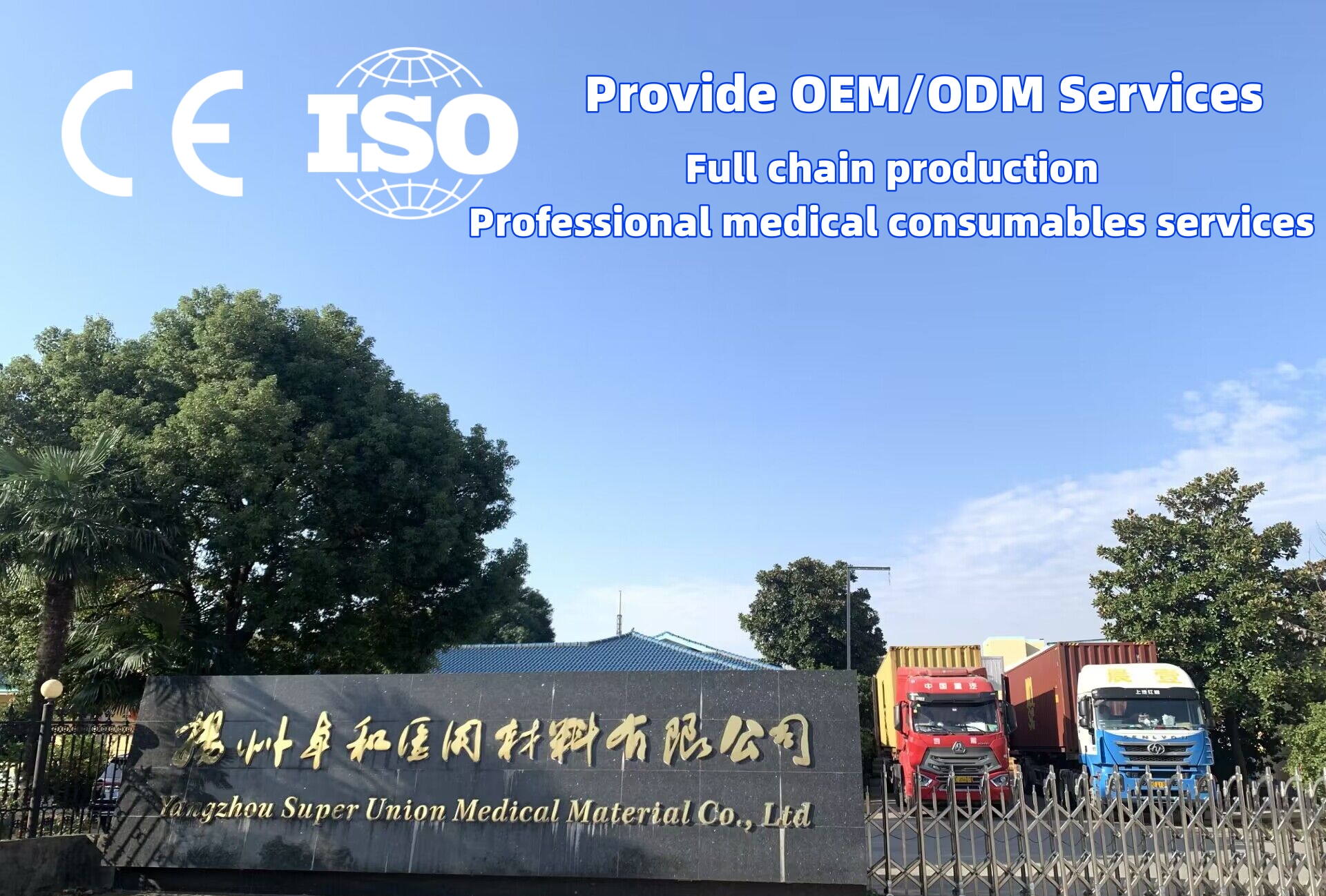
With more than 20 years of experience in medical consumables manufacturing and international sales, SUGAMA provides one-stop sourcing solutions for global customers.
With 50+ production lines and diversified manufacturing capabilities, SUGAMA supports stable production and consistent product quality across multiple medical product categories.
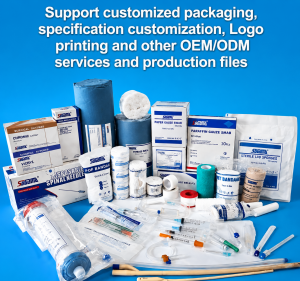
The company provides:
Comprehensive Manufacturing Capability
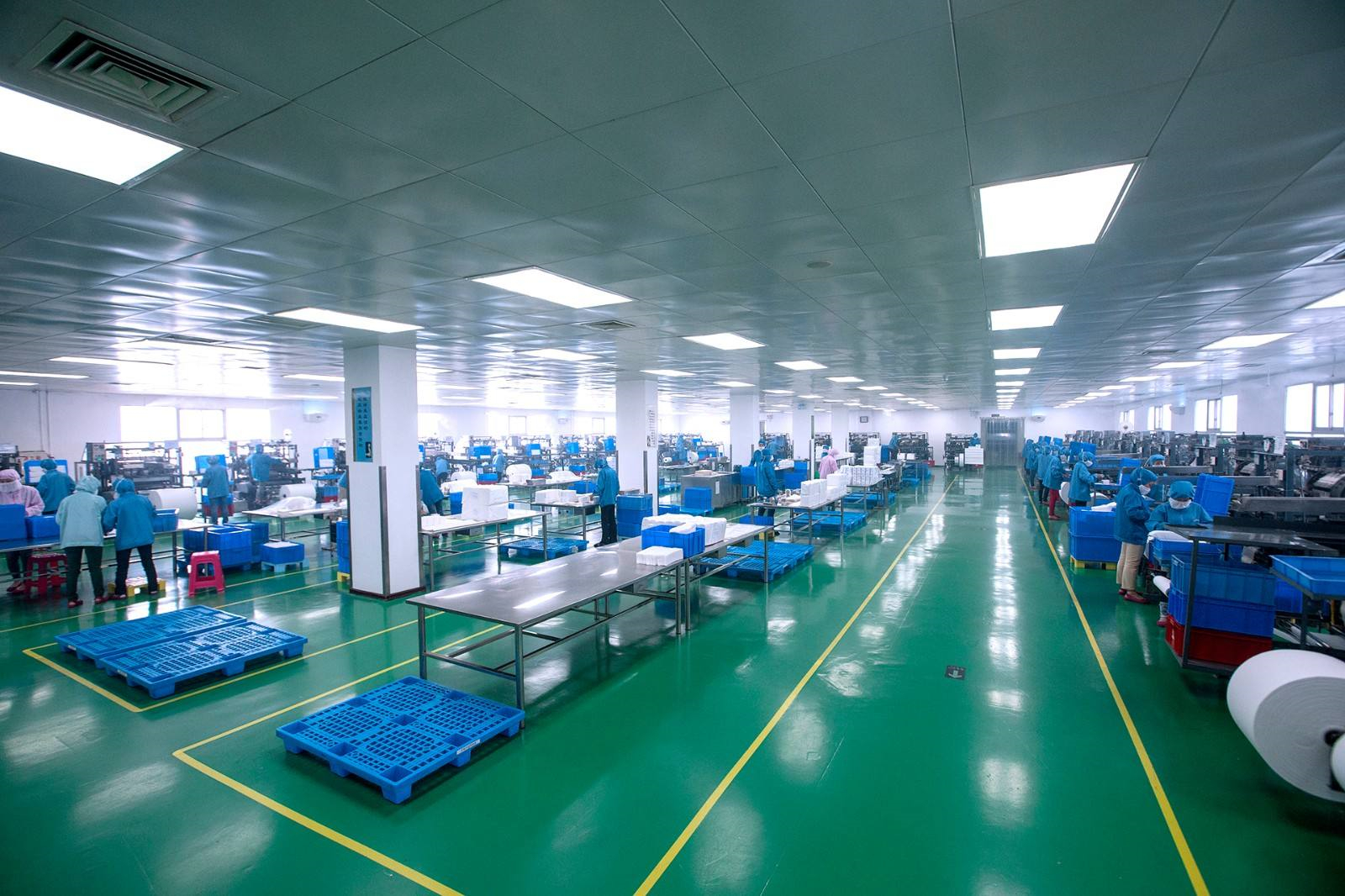

Multiple production facilities covering a wide range of disposable medical products, supporting OEM and customized projects.
Global Quality Standards
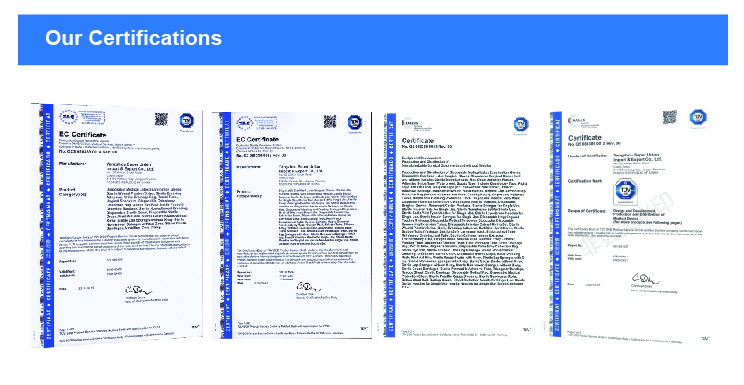
Products are manufactured according to international quality requirements, supported by certifications including CE and ISO13485.
International Market Experience
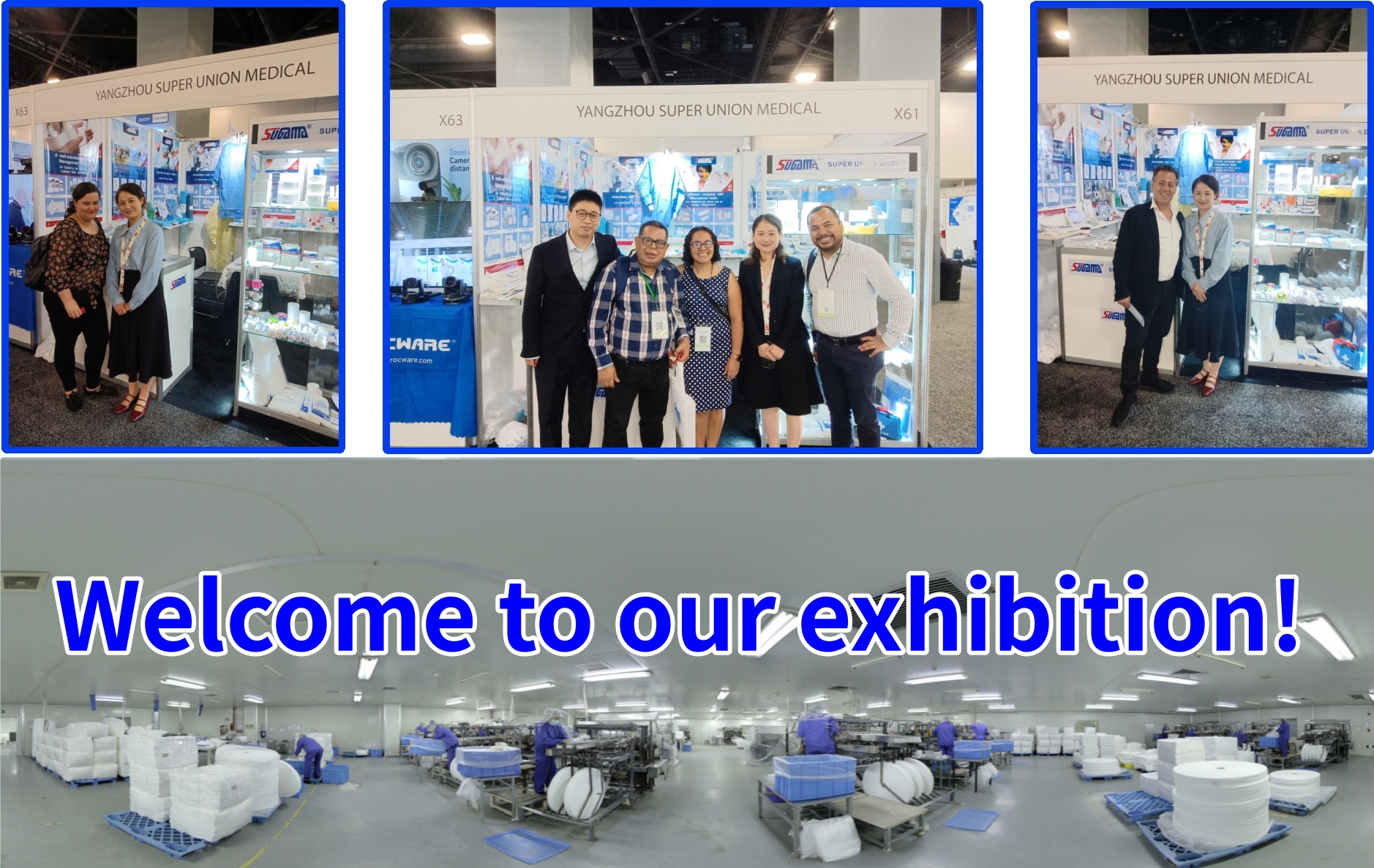
With customers and partners across more than 70 countries, SUGAMA understands different market requirements and export processes.
Professional Regulatory Support

The team assists customers with documentation preparation, product registration support, and bidding-related requirements.
For companies looking for a reliable medical supplier in China, choosing the right manufacturing partner can create a stronger and more sustainable supply chain.
Contact SUGAMA to discuss your medical product sourcing requirements.
Post time: Sep-28-2026